
SAFEGUARDING AT RAINHILL HIGH SCHOOL
Keeping Our Pupils Safe
Keeping children safe is our highest priority at Rainhill High School.
We want every pupil to feel safe, know that they can talk to an adult they trust and be confident that they will be listened to and supported.
Safeguarding is everyone's responsibility. All staff are trained to recognise when a child may need help and know what to do if they have a concern.
Our Safeguarding Team
Our safeguarding team provides specialist leadership and support across the school. Pupils do not need to find a particular member of the team before asking for help — they can speak to any adult they trust.
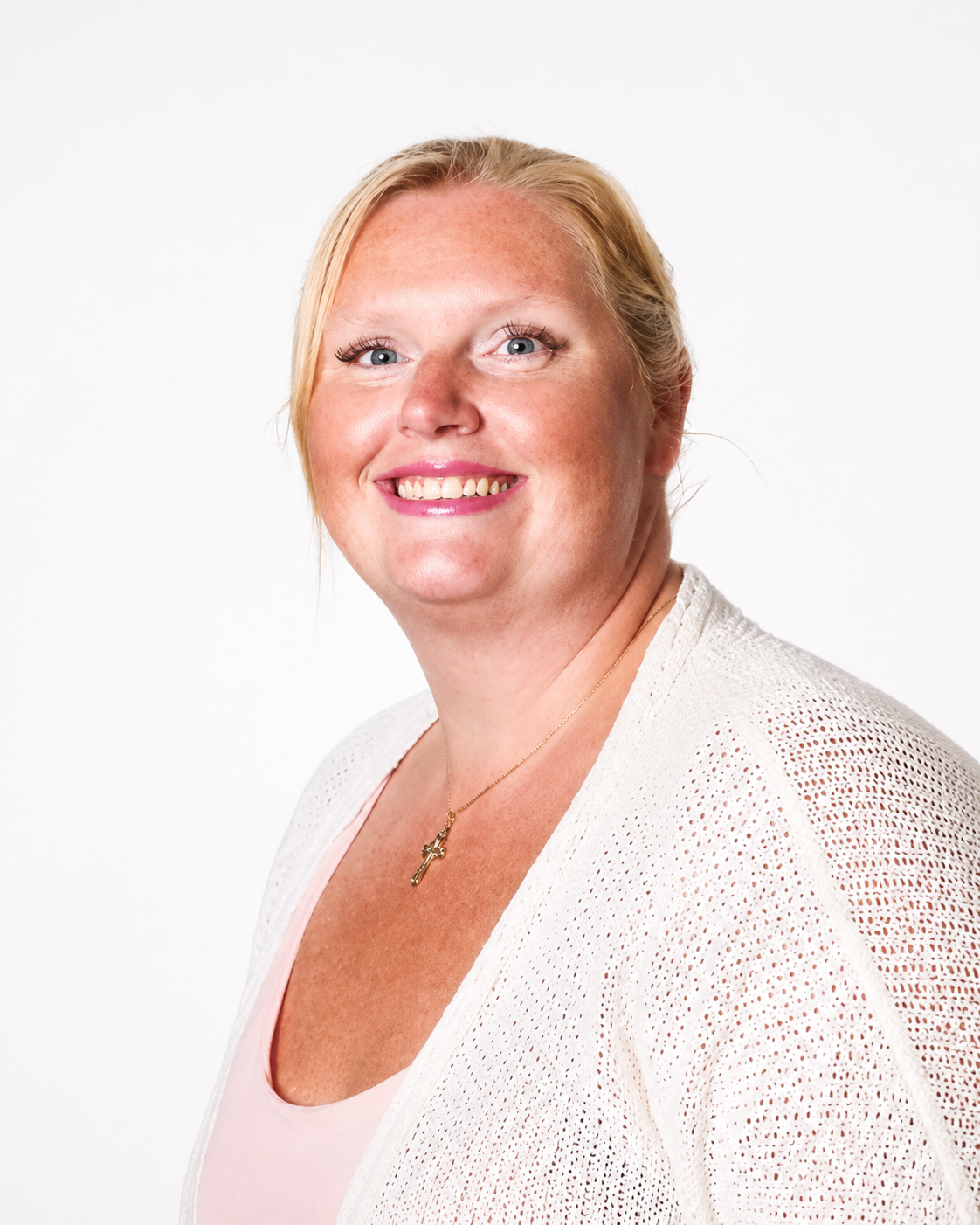
Helen Foster
Deputy Safeguarding Lead (DDSL)
Pupil safeguarding concerns

Linsay Munro
Deputy Principal
Designated Safeguarding Lead (DSL)
Overall responsibility for safeguarding

Josie Thorogood
Principal
Lead safeguarding responsibility for staff
Worried About a Child?
You Do Not Need to Be Certain That Something Is Wrong
If you are worried about the safety or wellbeing of your child, or another child, please contact us.
We would rather you share a concern so that we can consider whether help is needed.
Report a Safeguarding Concern →Contact Rainhill
Telephone: 01744 677205
Email:
contact@rainhillhighschool.org.uk
Please use Safeguarding Concern as the subject of your email so that it can be directed appropriately.
If a Child Is in Immediate Danger
Call 999.
Do not wait to contact school if urgent action is required to protect a child.
Local Safeguarding Advice & Information
St Helens Children's Social Care / MASH
If you are concerned about a child who is not in immediate danger, call 01744 676767 (option 2).
Outside office hours, contact the Emergency Duty Team on 0345 050 0148.
Pupils Can Talk to Us
This might be their Form Tutor, Year Team, teacher, a member of the Safeguarding Team or another member of staff.
They do not have to decide who the ‘right’ person is. Any member of staff will make sure their concern reaches someone who can help.
Pupils should never feel that they have to manage a concern alone.
How We Keep Children Safe
Safeguarding is part of everyday life at Rainhill. We have clear systems for identifying and responding to concerns, and staff receive regular safeguarding training.
Listen
We listen to pupils and take concerns seriously.
Notice
We pay attention to changes in attendance, behaviour, learning and wellbeing.
Respond
We respond promptly when concerns are raised or identified.
Support Early
We aim to provide appropriate help before difficulties become more serious.
Work Together
We work with families and other professionals when additional help is needed.
Recruit Safely
Appropriate checks and safer recruitment procedures are used for adults working in school.
When a Child Needs Help
Children do not always tell an adult directly when something is wrong.
Changes in attendance, behaviour, friendships, emotional wellbeing or engagement with school can sometimes indicate that a young person needs help.
Listen
We listen to the child and consider what they are telling us.
Understand
We consider the available information and what may be happening.
Support
We decide what help or intervention may be required.
Act
Where necessary, we involve appropriate external professionals or agencies.
This may involve support within school or working with other professionals.
Young Carers
Could Your Child Be a Young Carer?
Some children and young people help to care for someone at home. This might be a parent, brother, sister or another family member who has an illness, disability, mental health difficulty or problems with drugs or alcohol.
A young carer may help with cooking or household tasks, looking after siblings, medication or personal care, attending appointments, managing money or providing emotional support.
Sometimes these responsibilities are significant; sometimes they change over time. Many young people and their families may not think of them as a young carer.
At Rainhill, the important thing is that we know when a pupil has responsibilities at home that may affect them, so that we can provide appropriate support.
How Can Caring Responsibilities Affect School?
Being a young carer can be a positive and important part of family life, but caring responsibilities can sometimes affect a young person's:
We want to understand these circumstances early so that we can remove barriers, minimise disruption to education and help young carers participate, learn and succeed alongside their peers.
How Can Rainhill Help?
Miss Wordsworth
We will listen to the pupil and their family and consider what support would be most helpful.
Depending on individual circumstances, this might include:
- a trusted adult in school;
- support with attendance, organisation, homework or other aspects of school life;
- pastoral or wellbeing support;
- Young Carers drop-in sessions;
- support to participate in wider school activities and opportunities; and
- help accessing specialist Young Carers services where appropriate.
Do You Think Your Child May Be a Young Carer?
You do not need to know whether your child meets a particular definition of a young carer.
If they regularly help to care for someone at home and you think this may be affecting them, we encourage you to contact us.
We can talk with you about your child's circumstances and what, if any, additional support would be helpful.
Can Pupils Ask for Help Themselves?
Yes. Pupils can speak to Miss Wordsworth, their Form Tutor, Year Team or any other adult in school they trust.
They can also attend a Young Carers drop-in session, use the SHARP system or email youngcarers@rainhillhigh.org.uk.
Working with Parents & Carers
Parents and carers are important partners in keeping children safe.
We ask families to talk to us early if they are concerned about their child or if something is happening at home or elsewhere that may affect their safety, wellbeing or education. You do not need to wait until a problem becomes serious.
Listen
We will listen carefully to concerns raised by families.
Take Concerns Seriously
Information is considered appropriately and in the best interests of the child.
Communicate
Where it is appropriate and safe, we will explain what is happening and what happens next.
Act
We will take appropriate action where a child requires help or protection.
There may be occasions when information needs to be shared with other professionals to protect a child. Where it is appropriate and safe to do so, we will work openly with families and explain what is happening.
Working with Other Professionals
Sometimes children and families need support from more than one organisation.
Where appropriate, we work with Children's Social Care, Police, health and mental health services and other local partners to help ensure children receive appropriate support and protection.
Safeguarding Policies & Information
Our safeguarding arrangements are supported by clear policies and procedures.
Parents and carers can read our Child Protection and Safeguarding Policy directly below and access other relevant school policies through our public policy portal.
Local safeguarding guidance and information for children and families is also available from the St Helens Safeguarding Children Partnership.
Need Help?
Not Sure Who to Speak to?
Contact the school and tell us what you are worried about.
We will make sure your concern reaches the right person.

